
What Parents Should Know About Bringing Young Children To A Family Dentist
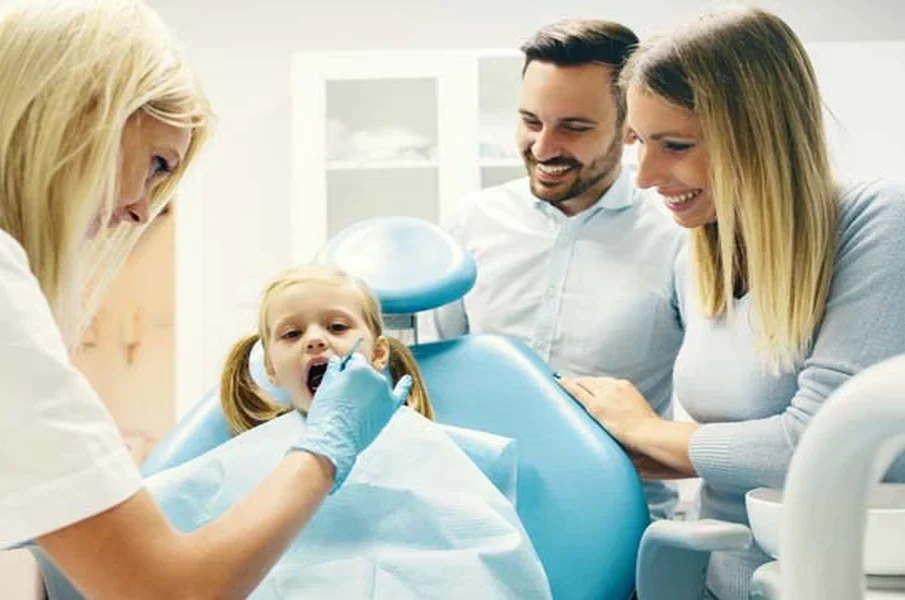
You might be feeling a mix of things right now. Part of you wants to do everything right for your child, and part of you is wondering whether a visit to a dentist in Markham will end in tears, fear, or a long appointment that leaves everyone worn out. That feeling is common, especially when your child is very young and still learning how to handle new places, new sounds, and new routines.
Before the first visit, it can all feel bigger than it is. Afterward, many parents realize that seeing a family dentist early often makes future visits easier, not harder. The short version is simple. Early dental care helps protect your child’s teeth, catches small problems before they grow, and gives you a place to ask questions about brushing, thumb sucking, fluoride, and daily habits at home.
Why does bringing a young child to a family dentist feel so stressful?
For many parents, the worry is not only about teeth. It is about how their child will react. What if they cry the whole time? What if the dentist finds a cavity? What if you have been missing something important?
Because of this tension, you might put the visit off, hoping things will be easier when your child is older. But baby teeth matter more than many people realize. They help children chew, speak clearly, and hold space for adult teeth. When decay starts early, it can lead to pain, trouble eating, sleep issues, and expensive treatment that could have been avoided.
That is one reason many parents choose a family dentist for children instead of waiting for a problem to show up. A family dental office can help your child get used to the environment while the stakes are still low. A simple exam, a gentle cleaning, and a calm conversation can build trust over time.
So, what should you expect at that first appointment? Usually, the visit is shorter and simpler than parents imagine. The dentist may check how the teeth are coming in, look for signs of early decay, talk about brushing and diet, and answer questions about pacifiers, bottle use, or teething. In many cases, the goal is not perfection. It is comfort, prevention, and a good first experience.
When should a child first see a dentist, and what can you do at home?
A good rule is to schedule the first visit by the first birthday or within six months of the first tooth coming in. That may sound early, but it gives you a chance to spot issues before they become painful. It also helps your child see dental care as a normal part of life, not something that only happens when something hurts.
If you are unsure what daily care should look like, trusted health sources can help. The CDC shares practical oral health tips for children that cover brushing, flossing, and sugar habits. For infants, the National Institute of Dental and Craniofacial Research offers a helpful guide on keeping your baby’s mouth healthy, including cleaning gums before teeth appear and caring for new baby teeth.
These early habits matter because young children cannot manage oral care on their own. Even when they want to help, they still need your hands, your routine, and your patience. That is where a children’s dental visit becomes useful. It gives you support, not judgment.
What are the real benefits of early visits to a family dentist?
The biggest benefit is prevention. A small white spot on a tooth may not look serious to a parent, but it can be an early sign of decay. Catching that early may mean a change in brushing, fluoride guidance, or diet advice instead of a filling later. That can save money and spare your child discomfort.
There is also the emotional side. Children who start dental visits early often have a chance to get familiar with the chair, the lights, and the people before they need treatment. That can lower fear over time. If your child has a hard first visit, that does not mean you failed. It often just means they are little, tired, or overwhelmed. A good family dental team understands that.
And then there are the everyday questions parents carry around. Is juice causing a problem? Does sleeping with a bottle hurt teeth? Is thumb sucking still okay? Should you be using fluoride toothpaste yet? A family dentist can walk through those questions in a way that fits your child’s age and needs.
How does home care compare with visiting a family dental office?
Home care is the foundation, but home care and professional care do different jobs. One does not replace the other. Seeing the difference can make the decision feel less confusing.
| Home Care | Visit to a Family Dentist | Why It Matters |
|---|---|---|
| Daily brushing with a smear or pea sized amount of fluoride toothpaste, based on age guidance | Professional exam and risk check | Brushing removes plaque, but an exam can spot early decay or bite issues you may not see |
| Watching sugar intake and limiting frequent snacks or drinks | Guidance on diet and cavity risk | Small habit changes can reduce decay before treatment is needed |
| Monitoring teething, thumb sucking, and bottle use | Age based advice tailored to your child | What is normal at one age may be a concern later |
| Helping your child practice opening wide and brushing calmly | Building comfort with the dental setting | Early positive visits can reduce fear at later appointments |
What can you do right now to make the first visit easier?
1. Keep your explanation simple.
Tell your child the dentist will count and clean their teeth, and that you will stay close. Try not to promise that nothing will feel strange, because children notice when reality does not match what they were told. Calm, plain words usually work best.
2. Schedule wisely.
Pick a time when your child is usually fed, rested, and less likely to melt down. Bring a comfort item if that helps. If your child is anxious around new places, arrive a few minutes early so they can settle in.
3. Start the routine at home.
Practice opening wide, brushing together, and taking turns “counting” teeth. This can make the idea of a family dentist visit feel familiar instead of sudden. Small routines at home often carry over better than long explanations.
So where does that leave you as a parent?
It leaves you in a better place than you may think. You do not need to know everything before you schedule that first appointment. You just need to take the next step. Early dental visits are not about being a perfect parent. They are about giving your child support, comfort, and a healthy start that can last for years.
If your child has teeth, it is a good time to begin. A caring dental team can help you understand what is normal, what needs attention, and how to make oral care feel manageable at home. When you are ready, schedule a visit with a family dentist and give your child the chance to build healthy habits early.


