Why Uneven Chewing Can Provide Clues About Hidden Dental Discomfort
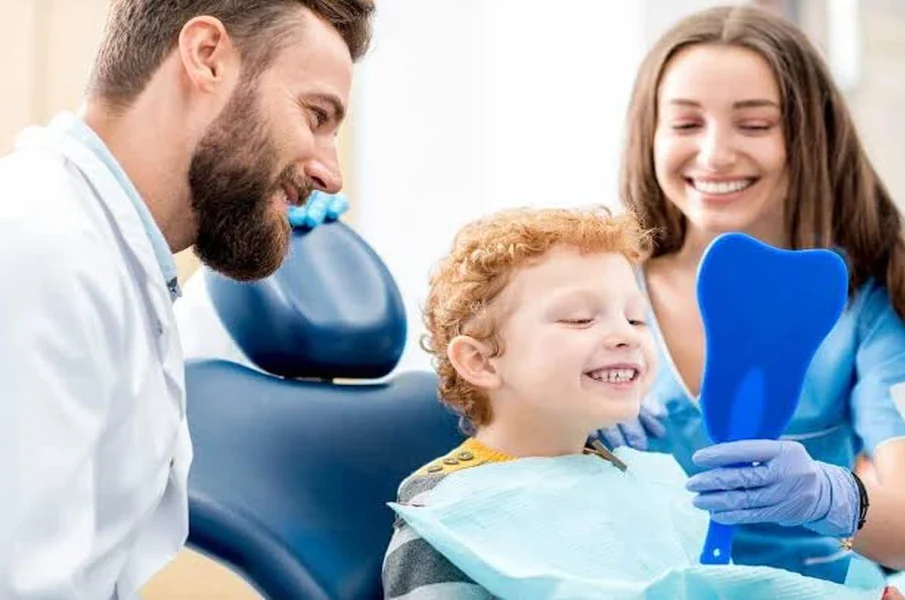
You may have noticed your child chewing on one side, slowing down at meals, or avoiding certain foods they used to enjoy. It can look like a habit at first, but parents often sense when something is off. A pediatric dentist in Westchester can help determine whether a child who keeps favoring one side of the mouth may be doing it to avoid pain, pressure, or a bite that does not feel right.
Why uneven chewing can provide clues about hidden dental discomfort comes down to one simple idea. Kids often adjust before they complain. They may not have the words to explain a sore tooth, jaw tension, gum irritation, or a problem with how their teeth come together. The chewing pattern becomes the clue. A child chewing on one side is not always facing a serious issue, but it deserves attention because small dental problems can grow when they are ignored.
Uneven chewing often points to pain, pressure, or bite changes
Children rarely stop and announce that a molar hurts when they bite down. They adapt. If one side feels tender, they shift food to the other side. If a filling feels high, a loose tooth is sore, or an erupting tooth is crowding the space, they may chew unevenly for days or weeks. The pattern can be subtle. You might see them cut food into tiny pieces, ask for softer foods, or leave tougher foods untouched.
Tooth decay is one common reason. A cavity can make pressure painful long before there is swelling or a constant toothache. Gum irritation can do the same. So can a cracked baby tooth, a food trap between teeth, or a tooth that is close to falling out but still tender. In some children, the issue is not the tooth itself. It is the bite. If the upper and lower teeth are not meeting evenly, chewing can feel awkward, and the child starts compensating.
Jaw strain can also play a part. Teeth grinding and clenching, especially during sleep, can leave the jaw muscles tired and sore by morning. The National Institute of Dental and Craniofacial Research explains bruxism in children and adults as a condition that can lead to tooth wear, muscle discomfort, and jaw pain. A child with that kind of soreness may naturally avoid one side.
Jaw discomfort and chewing imbalance can show up in daily routines
Some signs appear outside mealtime. Your child may rub their cheek, complain that their ear hurts even when there is no ear infection, or resist brushing one side of the mouth. They may wake up cranky, hold the jaw oddly, or say food feels “weird” when they chew. These are the moments that make parents second guess themselves. Is it a phase, a loose tooth, or something that needs care now?
Jaw joint problems can affect chewing too. The jaw hinges at the temporomandibular joints, and when those structures are irritated, chewing may become uneven or tiring. The NIDCR outlines temporomandibular disorders as conditions that can involve jaw pain, clicking, and trouble with comfortable movement. In children, that might not sound dramatic. It may just look like slower eating, one sided chewing, or avoiding chewy foods.
Uneven chewing in children can also affect nutrition and comfort over time. A child who avoids crunchy fruits, meats, or vegetables may start choosing only easy foods. That can narrow their diet and turn meals into a daily struggle. It also places more workload on one side of the mouth, which can add to muscle fatigue.
Pediatric dentist evaluations help identify the source of one sided chewing
A pediatric dentist looks beyond the obvious. The exam may include checking for cavities, gum inflammation, bite alignment, erupting teeth, worn enamel, and signs of clenching. If the concern is jaw related, the provider may also check how the jaw opens and closes, whether there is joint noise, and whether certain movements trigger discomfort.
When pain is vague, even basic symptom patterns matter. MedlinePlus describes jaw pain symptoms and causes that can overlap with dental and joint issues. That overlap is one reason one sided chewing should not be brushed off as simple pickiness.
| What You Notice | What It May Suggest | Why It Should Be Checked |
|---|---|---|
| Chewing only on one side | Sore tooth, cavity, bite discomfort, jaw strain | The child may be avoiding pressure before pain becomes constant |
| Avoiding crunchy or chewy foods | Tooth sensitivity, loose tooth, gum irritation, jaw soreness | Diet can become limited and the source may worsen |
| Complaints of ear or cheek pain | Jaw joint irritation or referred dental pain | These symptoms are often mistaken for non dental problems |
| Morning jaw tiredness or tooth wear | Night grinding or clenching | Ongoing pressure can affect teeth, muscles, and chewing comfort |
Small observations at home can guide the next step
Watch meal patterns for three days. Notice whether your child avoids one side every time or only with certain foods. Soft foods may go down easily while firmer foods trigger the pattern. That distinction helps narrow down whether the issue is pressure related, temperature related, or tied to jaw movement.
Check for other signs of oral discomfort. Look for face rubbing, reluctance to brush, sensitivity to cold foods, bad breath that does not improve, or visible swelling. You do not need to diagnose anything at home. You are looking for patterns that make the dental visit more useful.
Schedule a pediatric dental exam before the pattern settles in. If your child has been chewing unevenly for more than a few days, or if meals have become stressful, an evaluation is a smart next move. Early care is often simpler and less expensive than waiting for pain to become obvious.
Early attention can protect comfort, eating, and growth
Children are good at working around discomfort, which is why uneven chewing matters. It can be one of the first visible signs that something in the mouth or jaw does not feel right. When you catch it early, you have a better chance of solving a small problem before it affects eating, sleep, or daily comfort.
If your child keeps favoring one side while eating, trust that instinct that says it is worth checking. A pediatric dentist can sort out whether the cause is a cavity, a bite issue, a sore erupting tooth, or jaw tension, and help your child get back to eating comfortably.