Fluoride For Kids: When It Helps, When It’s Not Needed, And Why
You want to protect your child’s teeth, and somehow a simple question about fluoride turns into mixed messages, strong opinions, and a lot of guilt. One person says every child needs it. Another says avoid it at all costs. Meanwhile, you are just trying to figure out what actually helps, what is safe, and what your child needs right now. If you are also exploring options like dental sedation in Killeen, it can help to get clear, trustworthy guidance tailored to your child’s needs.
The short version is this. Fluoride can lower the risk of cavities, especially for kids who are more likely to get tooth decay. It is not something every child needs in the same way or in the same amount. The right answer depends on age, cavity risk, drinking water, brushing habits, diet, and whether your child already gets fluoride from other sources. A pediatric dentist can help sort that out without the fear or the noise.
Fluoride helps children most when cavity risk is higher
Fluoride strengthens enamel and makes teeth more resistant to acid from bacteria and sugar. That matters because cavities in children can move fast. A small weak spot can turn into pain, trouble eating, sleep problems, and expensive treatment before you realize how serious it has become.
Kids who benefit most from fluoride often have one or more risk factors. They snack often, drink juice or sweetened drinks, fight toothbrushing, have had cavities before, wear braces, or live in an area without enough fluoride in the water. Some children also have dry mouth from medications or health conditions, which raises cavity risk.
If that sounds familiar, you are not overreacting by asking about fluoride. You are noticing the real things that tend to lead to decay.
The CDC explains how fluoride helps prevent cavities by rebuilding weakened enamel and slowing the loss of minerals from teeth. That benefit is well established. What changes from child to child is how much support they need.
Fluoride is not always needed in extra forms
Some children already get enough fluoride through daily life. If your child drinks fluoridated tap water, brushes twice a day with the right amount of fluoride toothpaste, has a balanced diet, and has a low history of decay, they may not need fluoride supplements or frequent in office fluoride treatments.
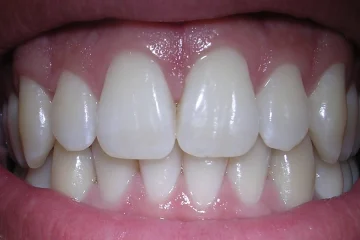
This is where many parents get stuck. They hear that fluoride is good, so more must be better. That is not how it works. Extra fluoride without a clear reason does not automatically give extra protection. In younger children, too much swallowed fluoride over time can raise the chance of dental fluorosis, which usually shows up as faint white streaks or spots on developing teeth. It is often mild, but it still makes sense to avoid overdoing it.
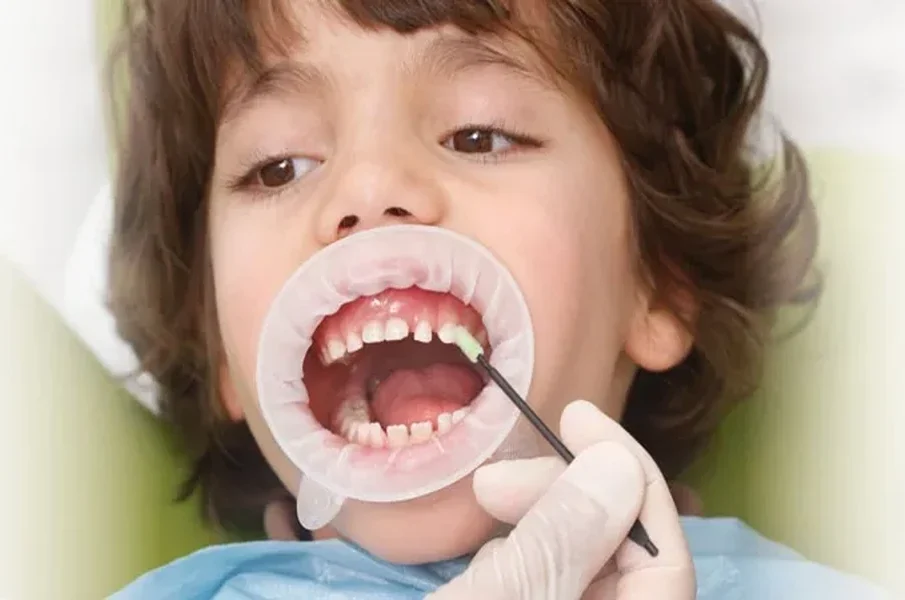
Fluoride for children works best when it is matched to actual risk. A toddler who still swallows toothpaste needs a tiny smear. An older child with early signs of decay may benefit from a fluoride varnish at dental visits. A child with low risk and good habits may just need steady home care and routine checkups.
Parents often need clearer guidance on fluoride toothpaste, water, and treatments
The confusion usually starts at home. Should you use tap water or bottled water. How much toothpaste is enough. What if your child hates brushing and swallows half of it. These details matter more than broad opinions.
The American Academy of Pediatrics offers practical guidance in its fluoride and children FAQ. For children under age 3, use a smear of fluoride toothpaste about the size of a grain of rice. For ages 3 and up, use a pea sized amount. Supervise brushing until your child can spit well and brush with control.
Water matters too. If your child mostly drinks bottled water, they may not get the fluoride that many community water systems provide. If they drink tap water, that may already be covering part of the need. This is one reason a kids fluoride treatment decision should not be based on one factor alone.
Common fluoride options and when they make sense
| Fluoride source | When it helps | When it may not be needed | What to watch for |
|---|---|---|---|
| Fluoride toothpaste | Most children benefit from daily use with the right amount for age | Rarely skipped unless a dentist gives a specific reason | Young kids may swallow too much if unsupervised |
| Fluoridated tap water | Helpful for long term cavity prevention | Less of a concern if your child already has low decay risk and other fluoride sources | Bottled water may not contain enough fluoride |
| Fluoride varnish at dental visits | Useful for kids with early decay, high sugar intake, braces, or past cavities | May be less necessary for low risk children with strong home habits | Should be based on cavity risk, not routine alone |
| Fluoride supplements | Can help if water is low in fluoride and cavity risk is higher | Not a good default if your child already gets enough fluoride | Needs careful dosing by age and exposure |
Small daily habits often matter more than one treatment
Parents sometimes hope one fluoride treatment will fix everything, especially if brushing has been a struggle or a cavity has already shown up. That is understandable, but fluoride works best as part of a pattern. If your child sips juice all day, falls asleep after milk without brushing, or races through brushing for ten seconds, the problem keeps coming back.
This is where a pediatric dentist becomes useful in a very practical way. Not just for treatment, but for risk assessment. Two kids the same age can need very different plans. One may need fluoride varnish every few months. Another may just need coaching on brushing, fewer sugary snacks, and regular checkups.
Three steps you can take now
Check your child’s fluoride exposure. Look at the water they drink most often, the toothpaste they use, and whether they have had fluoride treatments before. If you are not sure about your local water supply, ask your dental office or pediatrician.
Use the right amount of toothpaste and supervise brushing. A rice sized smear for children under 3, a pea sized amount for ages 3 and up. Help them brush for two minutes, especially at night, and teach them to spit rather than swallow.
Ask for a cavity risk based plan. At your child’s next visit, ask whether they are low, moderate, or high risk for cavities and what fluoride approach fits that level. That answer is more useful than a blanket yes or no.
The right fluoride plan should feel clear, not confusing
You do not need to sort through every argument on your own. Your child’s age, habits, and risk level tell the real story. Fluoride can be a strong tool for preventing cavities, but it should be used with purpose, not fear and not excess.
If you are unsure whether your child needs fluoride toothpaste, varnish, supplements, or none of the above beyond daily basics, schedule a visit with a pediatric dentist and get a plan that fits your child’s actual needs.