
6 Benefits Of Having One General Dentist Throughout Your Life
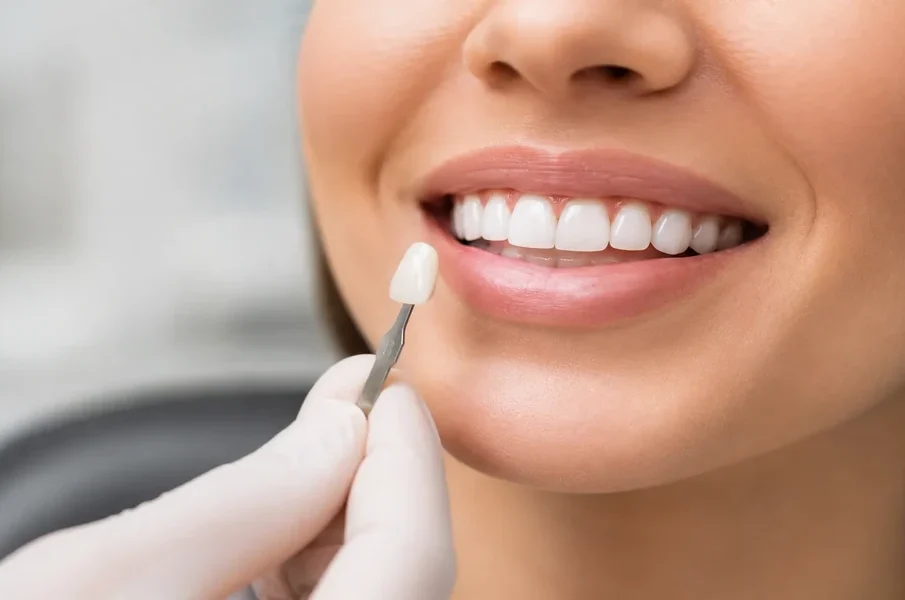
You know how dental care can turn into a patchwork. One office for a cleaning years ago, another for an emergency filling, then a long gap because life got busy. By the time you need care again, you are filling out forms from scratch and trying to remember when that crown was placed or which tooth gave you trouble. That is why working with an experienced Santa Rosa family dentist can make such a difference. That kind of stop and start care is common, and it wears on people more than they expect.
Staying with one general dentist over time gives you something simple and steady. Your records stay in one place, your dentist learns your history, and small problems are easier to catch before they become painful and expensive. That is the short version, but the benefits go deeper than convenience.
One general dentist gives you continuity that scattered care cannot match
When you see the same provider year after year, your dental history starts to tell a clear story. Your dentist knows whether you tend to get cavities near old fillings, whether your gums have improved, and whether grinding has started to wear down your teeth. A single visit only shows a snapshot. Long term care shows patterns.
That matters because many dental problems build slowly. Tooth decay does not always hurt right away, which is one reason people delay care until the problem is harder to ignore. The National Institute of Dental and Craniofacial Research explains that tooth decay can progress over time and lead to pain, infection, and tooth loss. A dentist who has followed you for years is more likely to spot those early changes before they turn into a crisis.
This is one of the clearest benefits of seeing the same dentist. You are not starting from zero every time something feels off.
A lifelong dental relationship often leads to earlier treatment and lower costs
People usually do not avoid the dentist because they do not care. They avoid it because they are busy, worried about cost, or uneasy about what they might hear. Then a small issue becomes a root canal, a broken tooth, or an infection that affects sleep, work, and daily life.
Seeing one general dentist on a regular basis often lowers the total cost of care because prevention is cheaper than repair. Cleanings, exams, and X rays can reveal weak spots, gum irritation, and old dental work that is starting to fail. Fixing a tiny cavity is one thing. Rebuilding a tooth after months of delay is another.
If you have ever thought, “I will deal with it when it starts hurting,” you are not alone. The problem is that pain usually arrives late.
Your dentist learns your comfort level, not just your chart
Dental care is personal. Some people need extra explanation before treatment. Some need breaks during procedures. Some have a strong gag reflex, past trauma, or anxiety that spikes the minute they smell a dental office. Those details rarely show up fully in a chart.
With one long term provider, trust has a chance to build. Your dentist notices what helps you stay calm, how numbness works for you, and which concerns matter most to you. That can change the whole experience of care. Appointments feel less like a disruption and more like part of staying well.
The idea of a dental home reflects this kind of ongoing relationship. The American Academy of Pediatric Dentistry describes a dental home as an ongoing, accessible relationship focused on coordinated care. That concept starts in childhood, but the same stability helps adults and older adults too.
Consistent care supports oral health through every stage of life
Your mouth changes as you age. Children may need sealants and cavity prevention. Teens may need monitoring around wisdom teeth or orthodontic changes. Adults often deal with fillings that wear out, gum issues, and stress related grinding. Older adults may face dry mouth from medication, recession, or trouble cleaning around bridges and implants.
One provider who has seen those changes happen over time can give more tailored guidance. The National Institute on Aging notes that daily mouth care and regular dental visits become even more important with age, especially when medical conditions and medicines affect oral health. That is where a steady general dentist becomes more than someone who cleans your teeth. They become the person tracking how your oral health fits into the rest of your life.
A single dental office makes emergencies and referrals easier to manage
When a tooth cracks on a weekend or a filling falls out before a trip, familiarity matters. An office that already knows your history can move faster. They have your records, your X rays, and a baseline for what is normal for you. That saves time when you are in pain and not in the mood to explain years of dental history.
The same is true when you need a specialist. If your general dentist refers you for oral surgery, gum treatment, or a complex restoration, that referral is stronger when it comes with a full record and a provider who understands the full picture. This is one of the quieter advantages of having one dentist, but it can make a hard situation feel more manageable.
Long term general dental care creates clearer decisions
Dental decisions are easier when they are based on trend lines instead of guesswork. Should you replace that old filling now or watch it for another year. Is gum recession stable or getting worse. Is a night guard worth it. A dentist who has seen the progression can answer with more confidence.
| Aspect of Care | One Long Term General Dentist | Different Dentists Over Time |
|---|---|---|
| Medical and dental history | Records and patterns stay consistent | Gaps and repeated intake are common |
| Early detection | Small changes are easier to compare over time | Problems may only be seen as isolated events |
| Comfort and trust | Provider learns your anxiety triggers and preferences | Rapport often has to restart |
| Emergency response | Office can act with existing records | Time may be lost gathering history |
| Long term cost | Prevention often reduces major repair needs | Delayed or fragmented care can raise costs |
Three steps you can take now
Gather your dental history. If you have seen multiple offices, request copies of X rays, treatment notes, and dates of major work. Even a basic timeline helps your current dentist make better decisions.
Schedule preventive care before something hurts. If it has been a while, start with an exam and cleaning. That one visit gives you a baseline and often catches issues while they are still simple.
Choose a provider you can stay with. Look beyond the next appointment. Find a general dental care office where you feel heard, where communication is clear, and where routine visits feel realistic for your schedule and budget.
Steady care pays off year after year
Your teeth do not need perfect attention. They need consistent attention. One general dentist throughout your life can give you continuity, earlier treatment, lower stress, and care that fits your actual history instead of a rushed summary. If your dental care has felt scattered, you are not stuck there. You can start building that stability with your next appointment.


