Why Preventive Dentistry Should Start Early In Life
You might be looking at your child’s tiny teeth and wondering if all the reminders about brushing, flossing, and dental visits are really that important right now. After all, baby teeth fall out. Life is busy. Schedules are packed. It can feel tempting to push “proper dental care” and even personalized dental treatment Clearwater to the back burner and focus on more urgent things.end
Then something shifts. Maybe your child wakes up at night holding their cheek and crying. Maybe a routine school screening sends home a note about cavities. Maybe you get an estimate for dental treatment that makes your stomach drop. In a moment, what felt minor suddenly feels big, and you might be asking yourself if there was something you could have done earlier.
This is where early preventive dentistry for children changes the story. When care starts early, teeth are healthier, appointments are easier, and costs usually stay lower over time. You are not just avoiding cavities. You are building habits and confidence that follow your child into adulthood.
So where does that leave you today? You do not need to be perfect. You simply need to understand why starting early matters, what can happen if you wait, and what small steps you can take now to protect your child’s smile and your peace of mind.
Why do baby teeth and early habits matter so much?
On the surface, it can seem simple. Brush twice a day, see a general dentist once or twice a year, try to limit sugar. Yet real life is rarely that tidy. Kids resist brushing. Caregivers are exhausted. Dental insurance is confusing. Appointments get delayed. Because of this, early care often slips, and small problems quietly grow.
Baby teeth do more than fill a cute smile. They help your child chew, speak clearly, and hold space for adult teeth. When they get cavities or infections, children may have trouble eating, sleeping, and focusing in school. The Centers for Disease Control and Prevention has shown that untreated cavities are common and can affect learning and quality of life. You can read more about the broader impact of oral health on daily life in the CDC’s overview of oral health.
Now imagine two different paths. In the first, a toddler starts with gentle checkups. The appointments are short, mostly about getting comfortable, counting teeth, and encouraging brushing. Small issues are caught early. Fluoride helps strengthen the enamel. By school age, this child sees dental visits as normal and manageable.
In the second path, there are no visits until there is clear pain or visible decay. The first appointment is long and stressful. There may be X-rays, numbing, and fillings. The child feels scared. The parent feels guilty and overwhelmed by the cost. Even though no one meant for it to happen, the first experience with dental care is now tied to fear.
So, what really makes the difference between those two stories?
What happens if preventive care is delayed?
The main problem is that tooth decay does not usually hurt until it is quite advanced. A small cavity is quiet. By the time your child complains, the decay may already be close to the nerve, which can mean more complex treatment.
That is where the “agitation” shows up in everyday life. You might face:
Emotional stress. A child in pain can change the mood of the entire household. Dental emergencies often show up at night or on weekends. You may find yourself in an urgent care clinic or emergency dental visit, watching your child cry and feeling helpless.
Financial pressure. Treating advanced decay costs more than preventing it. Fillings, crowns, or extractions all add up. In contrast, regular cleanings, fluoride treatments, and early sealants are generally much less expensive over time. The National Institute of Dental and Craniofacial Research explains how simple, routine oral hygiene habits help prevent many of these more costly problems.
School and work disruption. According to the CDC, poor oral health can lead to missed school days and affect concentration. Parents then miss work for appointments and emergencies. You can see more about this connection in the CDC’s information on oral health and school performance.
Because of all this, early preventive dental care is less about being strict and more about buying back your future time, money, and calm. It turns unpredictable crises into planned, short visits that fit into normal life.
How does early preventive dentistry compare to a “wait and see” approach?
You might still be wondering how much difference early care really makes. It can help to see the contrast side by side.
| Approach | What It Typically Looks Like | Short Term Impact | Long Term Impact |
|---|---|---|---|
| Start preventive dentistry early in life | First visit by age 1 or within 6 months of first tooth. Regular checkups, cleanings, fluoride, and sealants as the child grows. | Short, mostly positive visits. Child learns the office is safe. Small issues treated quickly and gently. | Fewer cavities. Lower risk of dental fear. More predictable costs. Strong habits that continue into adulthood. |
| “Wait and see” until there is a problem | No routine visits. Care is focused on pain, visible cavities, or broken teeth when they appear. | Long, urgent visits. Higher stress for child and parent. Treatments may be more involved. | Greater risk of advanced decay. Possible infections or extractions. Higher costs over time. Ongoing anxiety around dentistry. |
When you look at it this way, you can see that early care is not about being perfect every day. It is about choosing the path that is usually calmer, kinder, and more predictable for both you and your child.
What simple steps can you take right now?
You do not need to overhaul everything at once. A few steady actions can create a strong foundation for a lifetime of healthy teeth and gums.
1. Make a “happy visit” the norm, not the exception
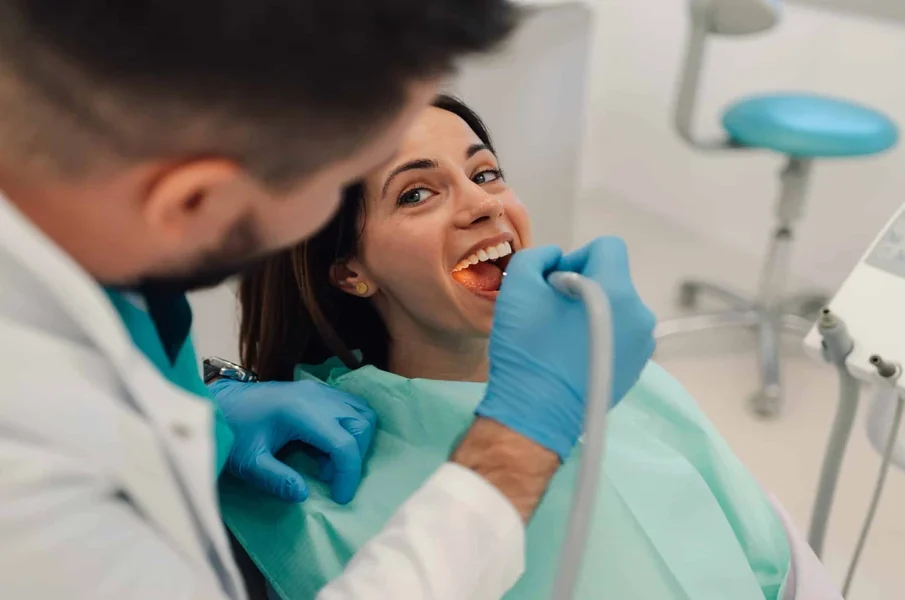
Schedule a first visit with a general dentist when the first tooth appears or by your child’s first birthday. If your child is older, start now rather than waiting for a problem. Explain that the dentist will “count and clean” their teeth and help them keep their smile strong. Bring a favorite toy or blanket. Ask the office if your child can have a quick look around before any treatment is needed, so it feels familiar next time.
2. Build tiny, repeatable habits at home
For younger children, you can brush their teeth twice a day with a small smear of fluoride toothpaste. As they grow, switch to a pea-sized amount. Turn brushing into a routine that always happens at the same times, morning and night. You can use a short song, a timer, or a story to keep them engaged. Even if the brushing is not perfect, the daily pattern matters. It teaches that caring for teeth is simply part of life.
3. Watch sugar and “all day” snacking without becoming extreme
Constant sipping on juice, sports drinks, or sweetened milk gives mouth bacteria a steady food source. Instead, offer water between meals and keep sugary drinks as an occasional treat with food. Try to limit sticky snacks that cling to teeth. You do not need to remove every sweet from your home. The goal is to avoid frequent, all-day exposure that quietly wears away enamel.
How can you feel more confident moving forward?
Understanding why preventive dental care for kids should begin early is not about blame. It is about giving you clearer choices. You now know that baby teeth matter, that problems often stay hidden until they are advanced, and that small, steady habits can change your child’s health and comfort for years to come.
The most important thing is your next step, not what did or did not happen in the past. Even if you feel late to the process, starting now still protects the teeth that will carry your child into adulthood. Each appointment, each brushing, and each small change in routine is a quiet investment in their confidence, comfort, and smile.
You are allowed to feel unsure. You are allowed to ask questions. A trusted general dentist can walk with you, explain what your child needs today, and help you plan ahead so you are not constantly reacting to the next surprise. The earlier you begin, the more options you tend to have, and the more control you keep over your time, your budget, and your child’s well-being.