How Air Purifier Technology Impacts Allergy Relief: HEPA vs. Ionic Systems
Air quality affects daily comfort. Allergies impair respiration and health. Hidden dust and pollen are common in homes. Air purifiers eliminate these hazardous pollutants from indoor air. Clean air improves sleep and daytime focus. Right system can reduce problems and improve space. Knowledge about purifier technology aids selection. This matters when selecting the best air purifier for allergies.
Understanding HEPA Filtration Technology
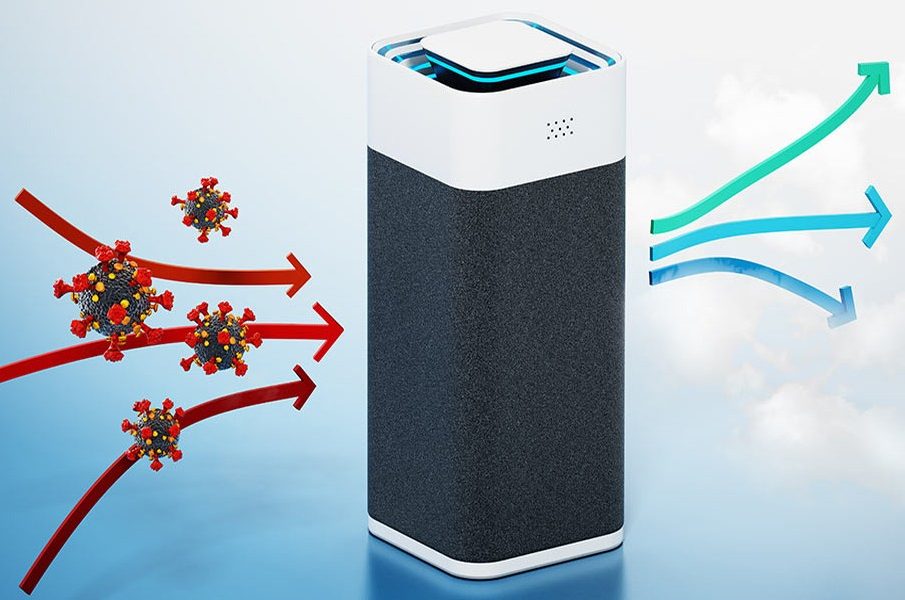
Fine air particles are captured by HEPA filters. These filters catch pollutants with closely packed fibers. Dust and pollen stay inside the filter layers. Pet dander also gets captured with high efficiency. This makes HEPA systems very useful for allergy relief. The air that leaves the purifier becomes cleaner and safer. Many medical spaces rely on HEPA filtration for hygiene.
But filters need regular care to stay effective. A clogged filter reduces airflow and cleaning ability. Replacement becomes necessary after a certain period of use. This adds cost but ensures steady performance over time. Some designs from Airdog use washable components for convenience. This reduces waste and supports longer use without frequent replacement. HEPA systems remain a trusted choice for many households.
Comparing Performance and Efficiency
HEPA systems deliver steady and reliable results in most settings. They remove allergens directly from moving air streams. This helps people with strong or frequent allergy symptoms. Ionic systems reduce airborne particles but use a different process. They do not trap particles in a physical filter.
So, performance varies based on the environment and needs. HEPA works well in closed rooms with high allergen presence. Ionic systems suit quiet spaces with lower maintenance demands. Some purifiers combine both technologies in one unit. This creates a balanced solution with improved efficiency and comfort. Users can benefit from strengths of both systems together.
Maintenance and Long-Term Use
Maintenance affects how well a purifier performs over time. HEPA filters require periodic replacement to stay effective. This ensures that trapped particles do not return to the air. Ionic purifiers need regular cleaning of collector plates. This removes accumulated particles and keeps the system working well.
But neglecting maintenance reduces efficiency in any purifier type. Clean parts allow proper airflow and better purification results. Airdog designs focus on easy maintenance for everyday users. Reusable components support eco-friendly habits and reduce effort.
Choosing an Allergy Relief Solution
Personal demands and home conditions determine the best purifier. Allergen elimination is strong and constant with HEPA systems. Ionic systems run quietly and are easy to maintain. Hybrids offer balanced performance for some. Room size and pollution effect selection. Effectiveness also depends on placement. A well-placed purifier improves interior air quality. Regular cleaning boosts indoor air quality. Pet owners may need stronger dander filtering.
Conclusion
In allergy alleviation, air purifier technology is crucial. HEPA and ionic systems have pros and cons. Understanding these disparities improves decision-making. Each system suits diverse lifestyles. Maintenance ensures longevity and efficiency. Clean air improves health and comfort daily.