3 Reasons Cosmetic Dentistry Is Becoming More Family Oriented
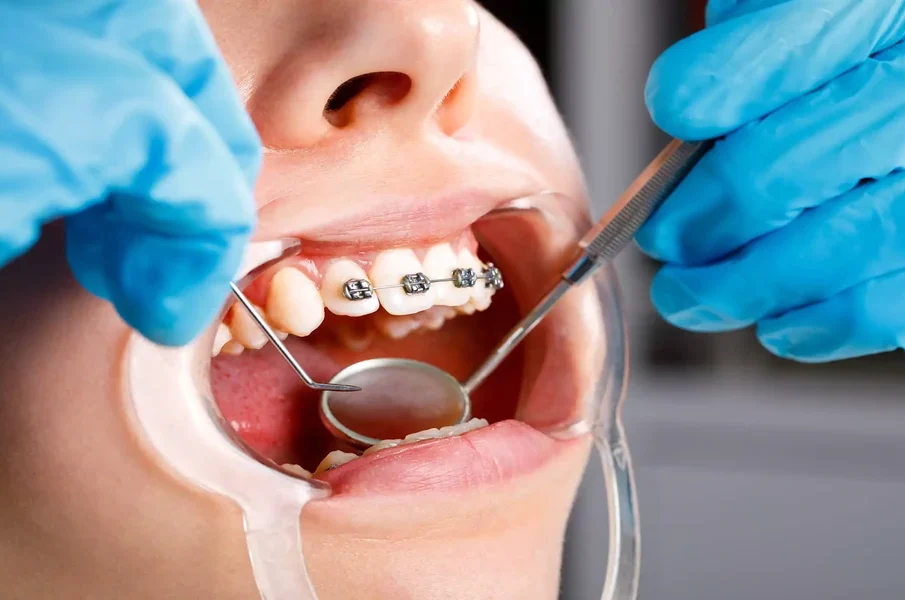
You are not imagining the shift. A lot of families used to separate dental care into neat boxes. Kids saw one dentist for cleanings and sealants, adults handled whitening or veneers somewhere else, and orthodontic work lived in its own lane. That setup often meant more appointments, more driving, more guessing about who should handle what, and more stress when one person in the house needed both health care and cosmetic help, including tooth crowns in Surprise, Arizona.
That is why 3 Reasons Cosmetic Dentistry Is Becoming More Family Oriented matters right now. Families want care that fits real life. They want a dentist who can look at a child’s bite, a parent’s worn enamel, and a teen’s smile goals without treating each need like it belongs in a separate world. The short version is simple. Cosmetic dentistry is becoming more family focused because people understand that appearance and oral health affect each other, treatment is more conservative than it used to be, and busy households need one trusted place for both routine and smile centered care.
Family and cosmetic dentistry now meet in the same daily reality
Most people do not wake up thinking in categories like preventive, restorative, and cosmetic. You notice that your child has crowded teeth, your teen wants a straighter smile, or your own front tooth looks darker than it did a few years ago. You also notice the calendar, the cost, and the fact that oral health is tied to the rest of your health. The CDC explains the connection between oral health and overall well being, which is one reason families are looking at dental care more broadly.
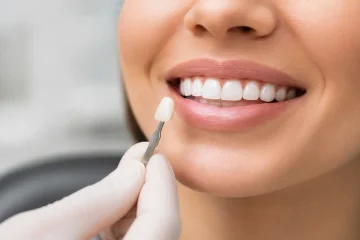
Cosmetic treatment is no longer seen as something only adults do after all the “real” dental work is finished. A shape issue, bite problem, or worn tooth can affect comfort, cleaning habits, and confidence at the same time. That overlap has moved the family oriented cosmetic dentist closer to the center of care. When one provider understands both function and appearance, treatment tends to be more coordinated and easier to manage.
This change also helps with trust. Children and teens often do better when they see the same office as their parents, especially if the office handles both routine care and smile improvements. A familiar setting lowers anxiety, and that matters more than people admit.
Conservative cosmetic options make smile care more practical for families
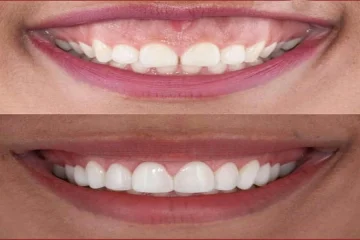
Cosmetic dentistry used to sound like a big leap. Many parents heard the phrase and pictured expensive, dramatic work that had little to do with health. That view has changed because many modern treatments are less invasive and easier to fold into long term family care. Tooth colored bonding, enamel shaping, whitening guidance, and clear aligner planning can solve concerns without making treatment feel extreme.
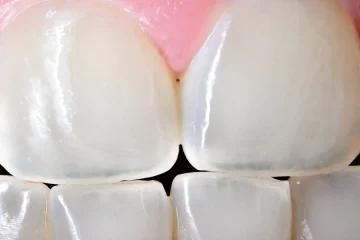
That matters when a small issue starts growing into a bigger one. A chipped front tooth in a child may affect confidence at school. A teen with mild spacing may avoid smiling in photos. An adult who grinds at night may develop worn edges that change both appearance and bite. In each case, a dentist who provides cosmetic dentistry and general care can weigh timing, growth, function, and budget together instead of treating appearance like a separate add on.
The same logic applies to prevention. The CDC’s oral health tips for children show how daily habits shape long term outcomes. Families are learning that early guidance can reduce the need for more involved treatment later. Cosmetic thinking, in this setting, often means protecting a healthy smile before damage becomes harder to fix.
One dental home reduces stress, confusion, and uneven care
There is a practical reason this trend keeps growing. Family life is crowded. Work schedules shift, school events pile up, and even one extra appointment can throw off a week. A practice that blends routine care with cosmetic planning saves time, but the bigger value is consistency. Records stay in one place. Advice lines up. You are less likely to hear one office say “watch it” while another says “fix it now.”
That consistency is especially useful when different generations have different needs. A younger child may need cavity prevention, a teen may need alignment support, and a parent may want whitening or repair for old dental work. A cosmetic dentistry plan inside a family practice makes those needs easier to compare and prioritize.
Adults benefit from this too. The CDC’s oral health tips for adults highlight habits that protect teeth and gums over time. When your dentist is already looking at both health and appearance, those conversations become more useful. Whitening does not make sense if gum disease is active. Veneer planning should account for grinding. Straightening may improve cleaning access. The pieces fit together better when one office sees the full picture.
Family focused cosmetic dental care offers clearer tradeoffs
| Approach | What Families Often Gain | Common Drawback |
|---|---|---|
| Separate providers for routine and cosmetic care | Access to niche services | More scheduling, repeated exams, mixed advice |
| Family and cosmetic dentist in one practice | Coordinated care, shared records, easier planning across ages | May require careful timing if several family members want treatment at once |
| Cosmetic treatment without preventive follow up | Fast improvement in appearance | Underlying issues can shorten results or raise future costs |
| Preventive care with cosmetic planning built in | Better long term value and more realistic treatment choices | Results may happen in stages instead of all at once |
Small steps make family cosmetic dental decisions easier
Start with shared goals. Ask each family member what actually bothers them. One person may care about sensitivity, another about crowding, another about stains. When goals are clear, treatment stops feeling random and starts feeling manageable.
Ask for a phased plan. You do not need to do everything at once. A good plan separates urgent health needs, growth related timing, and elective smile improvements. That helps you budget and avoids rushed choices.
Focus on habits that protect results. Better brushing, fluoride use, mouthguards for grinding or sports, and regular checkups do more than maintain oral health. They also protect cosmetic work and reduce the chance of repeat treatment.
Cosmetic dentistry is becoming more personal because families need care that works together
The move toward family centered smile care is not about vanity. It is about convenience, trust, prevention, and treatment that reflects how people actually live. When dental health and appearance are planned together, choices tend to feel clearer and results tend to last longer. If you have been trying to juggle separate providers, mixed opinions, or a list of smile concerns that never seems to shrink, you are not behind. You are dealing with the same pressure many families face, and there is a simpler way to approach it.
If you are considering a family and cosmetic dentist, the next step is to schedule a visit and ask for a plan that covers both health and appearance for every age in your household.