
Why Tooth Shape Can Change The Appearance Of An Otherwise Healthy Smile
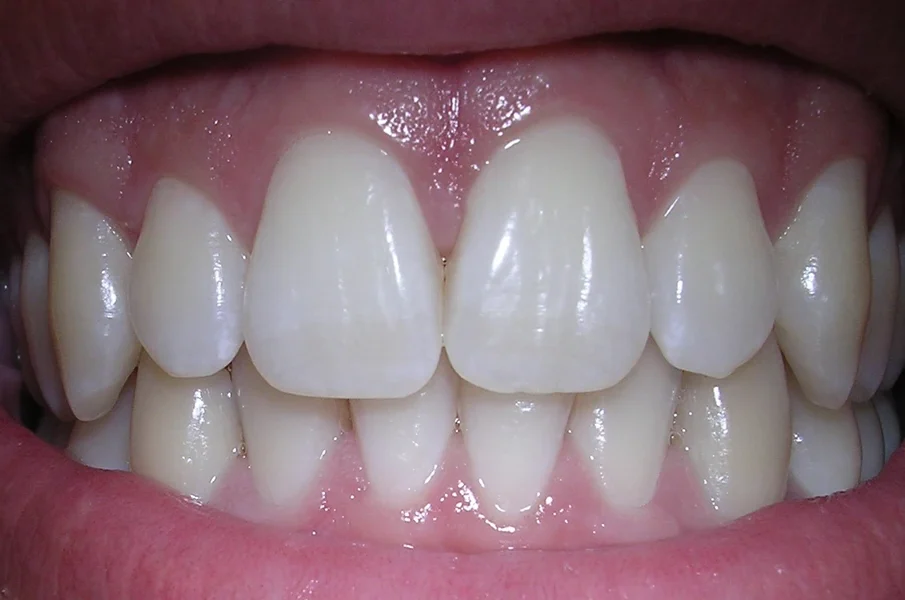
You brush, floss, keep up with checkups, and your teeth may even be strong and free of decay, yet your smile still looks a little off in photos or in the mirror. That feeling is real. A smile can be healthy and still seem uneven, worn, too short, too square, or slightly out of balance. When that happens, the issue is often not color or cleanliness. It is shape. At our dental office in Fountain Valley, CA, we understand how small changes in tooth shape can make a big difference in how your smile looks.
Tooth shape affects how light reflects, how your lips frame your smile, and how balanced your teeth look next to each other. Small differences can make healthy teeth appear older, crowded, chipped, or less symmetrical than they are. A family and cosmetic dentist can often improve that appearance without major treatment, especially when the concern is contour, proportion, or minor wear rather than disease.
Tooth shape changes how a healthy smile is perceived
People usually notice the result before they notice the cause. A front tooth may be slightly longer than the one beside it. The edges may look flat from grinding. One canine may look too pointed, or small lateral incisors may make the front teeth seem oversized. None of that means your mouth is unhealthy. It means the visual harmony of the smile is off.
The science behind tooth form starts early. The National Institute of Dental and Craniofacial Research explains how forces help sculpt tooth shape during development. Later in life, shape can keep changing through wear, clenching, chips, erosion, and the natural way teeth settle over time.
You might be dealing with this already and not have words for it. Your smile looks “tired.” One tooth catches your eye every time you talk. Whitening helped, but not enough. Straight teeth still do not look quite right. That is often the point when people realize shade is only one part of smile appearance. Form matters just as much.
Minor shape issues can create a bigger cosmetic effect than people expect
A tiny chip on a front tooth can make the whole smile look less polished. Rounded teeth can read as youthful and soft, while flatter edges can make teeth look older. Teeth that are too short from grinding may make the upper smile line disappear. Teeth with uneven widths can make the center of the smile look shifted, even when the bite is stable.
This is why tooth shape and smile appearance are so closely tied. Your eye reads the smile as a set, not as separate teeth. If one part is out of proportion, the whole picture changes.
There is also an emotional side to this. People often feel guilty bringing up cosmetic concerns when their teeth are otherwise healthy. They tell themselves they should just be grateful nothing hurts. Still, if you cover your mouth when you laugh or crop your smile out of pictures, that concern is affecting your daily life. It deserves a thoughtful answer.
Oral health is broader than cavities and gum disease alone. The NIDCR’s overview of oral health in America reflects how oral conditions affect quality of life, confidence, function, and well being. Appearance is part of that picture, especially when it changes how freely you speak or smile.
A family and cosmetic dentist can match treatment to the shape problem
The fix depends on what is causing the shape issue. If enamel is healthy and the change needed is small, contouring or bonding may be enough. If a tooth is undersized, worn down, or heavily restored, veneers or crowns may make more sense. If the shape problem is really a position problem, orthodontic treatment may come first.
That is where a cosmetic dentist becomes useful. The goal is not to make every smile look identical. The goal is to make your own teeth look balanced, natural, and consistent with your face. Good cosmetic planning also protects function, because changing shape without respecting bite forces can create new wear or sensitivity.
National data in the full Oral Health in America report supports a simple truth. Oral conditions and access to care shape comfort, confidence, and long term outcomes. Cosmetic concerns do not sit apart from health. They often overlap with wear, habits, and function.
Common options for improving uneven tooth shape
| Option | Best For | Benefits | Limits |
|---|---|---|---|
| Enamel contouring | Minor rough edges, tiny length differences, slight reshaping | Quick, conservative, often completed in one visit | Only works for very small changes |
| Dental bonding | Chips, worn corners, undersized teeth, shape correction | Affordable, tooth colored, preserves natural tooth structure | Can stain or wear over time |
| Veneers | Multiple front teeth with shape, size, or surface concerns | Strong cosmetic improvement, very natural look | Higher cost, more planning required |
| Crowns | Teeth with major wear, cracks, or large old fillings | Restores shape and strength | More tooth reduction than bonding or veneers |
| Orthodontics | Shape concerns caused by spacing or position | Improves alignment and smile balance | Takes longer, may still need finishing reshaping |
Small, practical steps can clarify what your smile really needs
Take a close look at patterns, not one tooth. Stand in natural light and smile normally, not forcefully. Look at edge wear, tooth length, and whether one side mirrors the other. A shape issue often shows up as a pattern of flattening, asymmetry, or disproportion.
Notice signs of grinding or erosion. If your teeth seem shorter than they used to, or the edges look translucent or uneven, shape changes may be active, not just cosmetic. Jaw tension, morning soreness, and frequent chipping are clues that function needs attention along with appearance.
Ask for a cosmetic evaluation, not just a cleaning exam. A routine exam checks health. A smile evaluation looks at proportion, tooth display, lip line, wear, and the way shape affects overall appearance. That is often the difference between hearing “your teeth look healthy” and getting a real answer about why your smile still bothers you.
Healthy teeth can still deserve aesthetic care
If your smile looks off even though your teeth are healthy, you are not being vain and you are not imagining it. Shape can change the whole appearance of a smile, and often in ways that are subtle but constant. The right treatment may be simple, conservative, and focused on balance rather than a full makeover.
Why tooth shape can change the appearance of an otherwise healthy smile comes down to proportion, wear, and how the eye reads symmetry. A family and cosmetic dentist can help you sort out whether the issue is shape, alignment, wear, or a mix of all three, then guide you toward a solution that fits your goals.


