
How Pediatric Dentists Recognize Dental Erosion That Is Not Caused By Cavities
You brush your child’s teeth, try to limit sweets, and still notice something looks off. Maybe the edges seem thinner, the front teeth look a little see through, or your child says cold drinks sting. That can feel confusing fast, especially when you hear that the problem is not a cavity. Tooth damage does not always come from decay. Sometimes the enamel is being worn away by acid, friction, or habits that are easy to miss at home. If you are concerned, seek pediatric care from Children’s Dental FunZone in Riverside, CA.
That is where a pediatric dentist looks at the whole pattern, not just one spot. How pediatric dentists recognize dental erosion that is not caused by cavities comes down to shape, location, texture, symptoms, and your child’s daily habits. They are looking for enamel loss that behaves differently from decay, and that difference matters because treatment and prevention are not the same.
Pediatric dentists look for enamel wear patterns that differ from tooth decay
Cavities usually start when bacteria feed on sugars and create acids that break down tooth structure in specific weak areas. Dental erosion is different. It is the direct loss of enamel from acid exposure, often from drinks, reflux, frequent vomiting, or even constant sipping of fruit juice or sports drinks. The American Dental Association’s overview of dental erosion explains that erosion often shows up as smooth, shiny, worn surfaces rather than the rough, localized breakdown many parents picture with cavities.
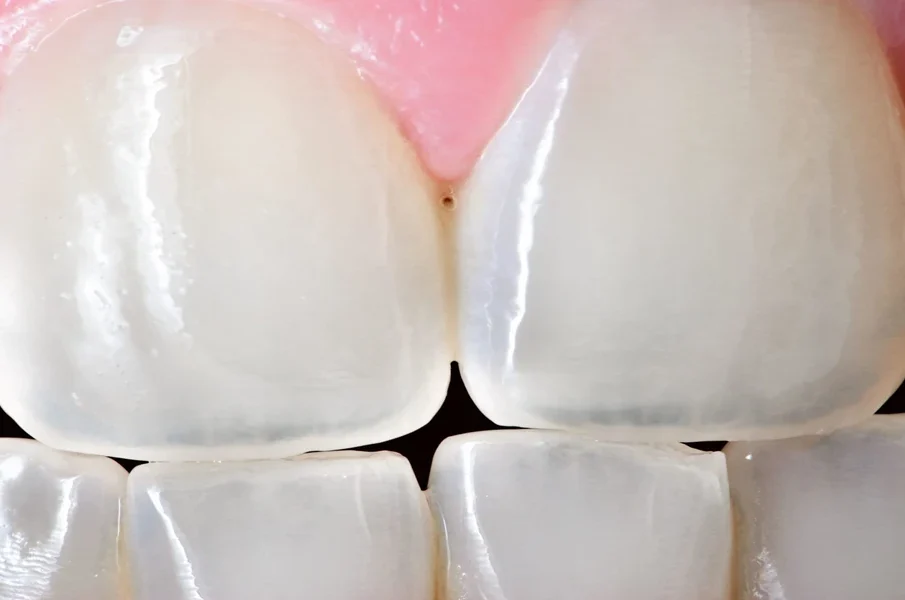
A pediatric dentist often notices early clues before a parent can. The enamel may look silky or glassy. The biting edges may appear thin. Small dents can form on chewing surfaces. Fillings may start to look raised, not because the filling moved, but because the surrounding tooth structure has worn down. In more advanced cases, teeth can look yellow because the enamel has thinned and the deeper dentin shows through.
You might expect tooth damage to mean poor brushing or too much candy. That assumption can leave families feeling blamed when the real issue is something else entirely. A child who drinks flavored water all day, has untreated reflux, or takes chewable vitamin C may be at risk even with good brushing habits.
Symptoms and history help separate non-cavity tooth wear from decay
A good exam is only part of it. A pediatric dentist also asks about routines that change the chemistry in the mouth. Does your child sip juice over long stretches instead of finishing it with a meal. Do they wake at night with a sour taste or stomach discomfort. Are there sensory habits like grinding or chewing on objects. Each answer helps identify non-cavity dental erosion rather than classic decay.
Children do not always describe sensitivity clearly. They may just avoid cold foods, chew on one side, or say brushing “feels weird.” Those details matter. Erosion can make teeth sensitive before any visible hole appears. Decay can do that too, but the pattern is different. A pediatric dentist is trained to connect those small signs instead of waiting for a larger problem.
This matters beyond appearance. According to the NIDCR summary on oral health in America, oral conditions affect comfort, nutrition, sleep, and daily function. When enamel loss progresses, children may start avoiding foods they need, and that can ripple into school, mood, and growth.
Acid exposure can weaken teeth even when no cavity is present
Enamel is strong, but it is not indestructible. Research from the National Institute of Dental and Craniofacial Research on what keeps teeth strong points to the complex structure that gives enamel its resistance. Once acid repeatedly softens that surface, the tooth becomes more vulnerable to wear. Brushing right after an acidic drink can even add to the damage because the enamel is temporarily softened.
That is why a pediatric dentist does more than “check for cavities.” A pediatric dentist evaluates acid risks, saliva flow, bite forces, and medical history. If a child has asthma and uses inhalers, chronic reflux, a highly acidic diet, or signs of dry mouth, those details can explain why enamel is breaking down in a way that has nothing to do with bacterial decay.
Dental erosion and cavities leave different clues
| Feature | Dental Erosion | Cavities |
|---|---|---|
| Main cause | Direct acid exposure from diet, reflux, or vomiting | Bacteria plus sugars producing acid on the tooth |
| Appearance | Smooth, shiny, thinning enamel, rounded edges | Chalky spots, rough areas, pits, or holes |
| Common locations | Front tooth edges, chewing surfaces, inner surfaces exposed to acid | Grooves, between teeth, around plaque-retaining areas |
| Sensitivity | Often to cold, sweets, or brushing as enamel thins | Often with deeper decay or trapped food |
| What the dentist asks about | Acidic drinks, reflux, vomiting, grinding, dry mouth | Snacking frequency, brushing, flossing, fluoride, sugar exposure |
The bigger public health picture supports this careful approach. The full Oral Health in America report shows that oral disease and tooth damage are shaped by diet, health conditions, access to care, and daily habits. A quick look is not enough when the goal is to protect a child’s enamel early.
Small changes at home can protect enamel before more damage sets in
Track acid exposure for three days. Write down what your child drinks and how often. Frequency matters as much as the drink itself. One juice with breakfast is different from sipping it for three hours. Include sports drinks, soda, flavored water, citrus, gummies with vitamin C, and signs of reflux.
Delay brushing after acidic foods or drinks. Have your child rinse with water first, then wait about 30 minutes before brushing. Use a soft toothbrush and fluoride toothpaste unless your child’s dentist recommends something else. This helps avoid brushing softened enamel.
Book an exam when you notice shape changes, not just pain. If teeth look thinner, more yellow, chipped, or unusually shiny, do not wait for a cavity or a toothache. A dentist for children can spot early enamel loss and help identify whether the source is diet, reflux, grinding, or another issue.
You are not overreacting if something about your child’s teeth seems different. Parents often notice the first clue before anyone else does. Getting it checked early can prevent sensitivity, larger repairs, and ongoing enamel loss. If you have concerns about tooth erosion in children, schedule a visit with a pediatric dental office and bring a short list of symptoms, drinks, foods, and habits you have noticed. That kind of detail helps the dentist connect the dots and protect your child’s smile with a plan that fits real life.


